The English-language field guide
Baijiu, explained by style, region, bottle, and 醇 risk.
A practical reference for Chinese baijiu: learn the category, compare benchmark bottles, check risky listings, and use the tools before you buy or pour.
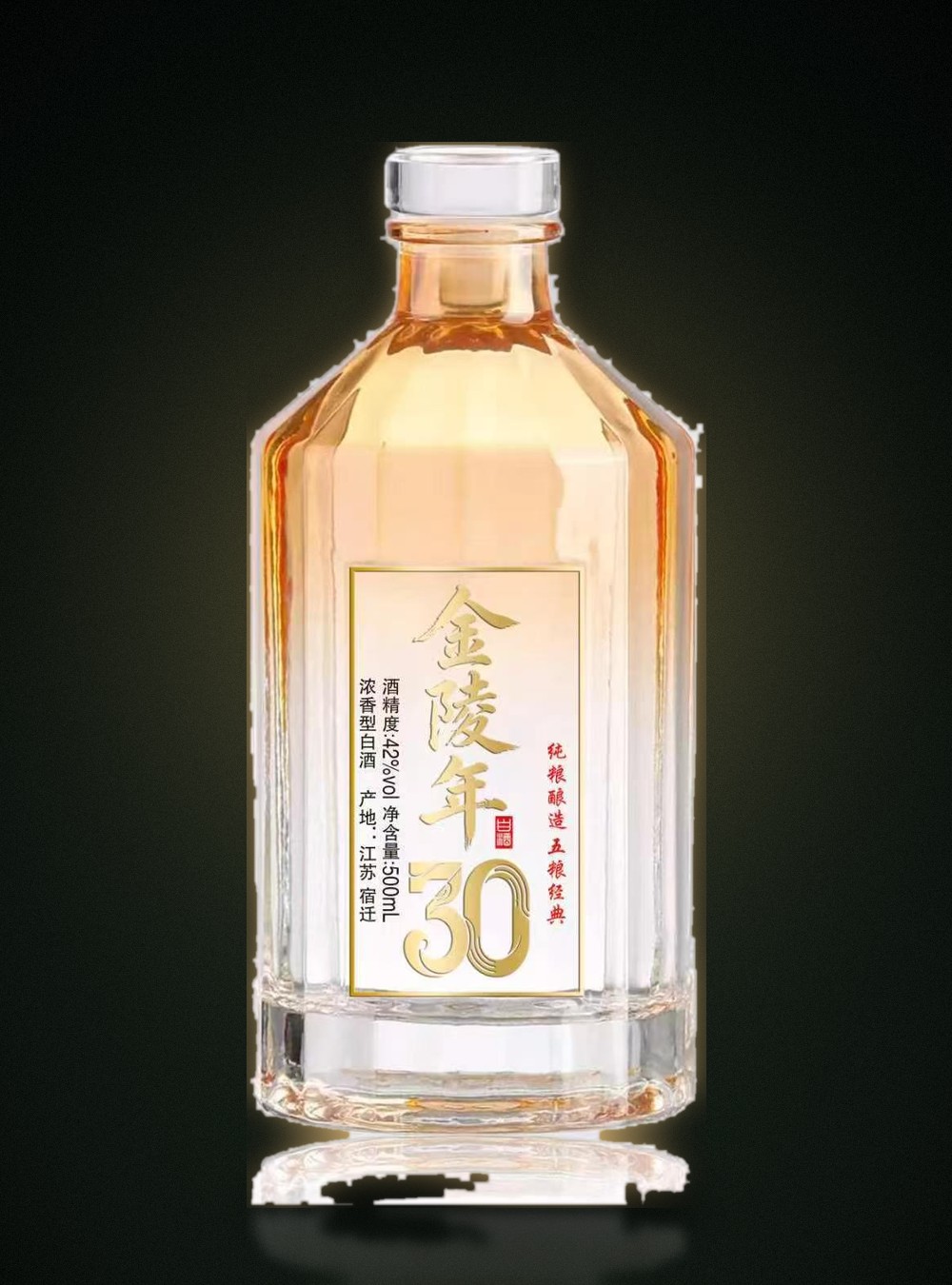
The house bottle
Jinling Nian 30
金陵年三十 · 52度 · 纯粮酿造 · 绵柔浓香
Our own label: a mianrou strong aroma from the Suqian belt — solid-state fermented, old-cellar, and built to keep the aroma while losing the edge. Soft entry, clean finish, no burn on the way down.
- ABV52% vol
- Type浓香 Strong aroma
- Grain高粱 · 小麦 · 大麦 · 豌豆
- StandardGB/T 10781.1
Six aroma types
Read baijiu by style, not by bottle shape.
Sauce, strong, light, phoenix, herbal, and mixed. Aroma type predicts flavor, intensity, difficulty, and the right bottle for the occasion.
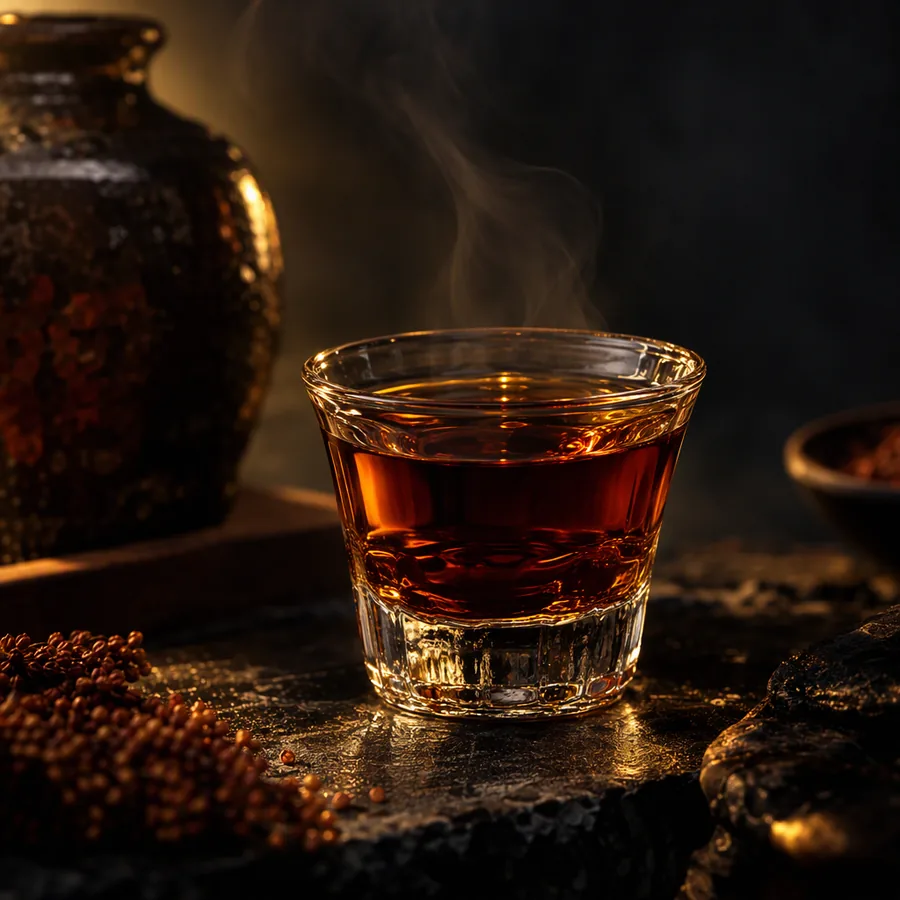
酱香 · Sauce
Sauce Aroma
Savory, umami-driven, the most intense style. Multiple fermentation cycles over a full year.
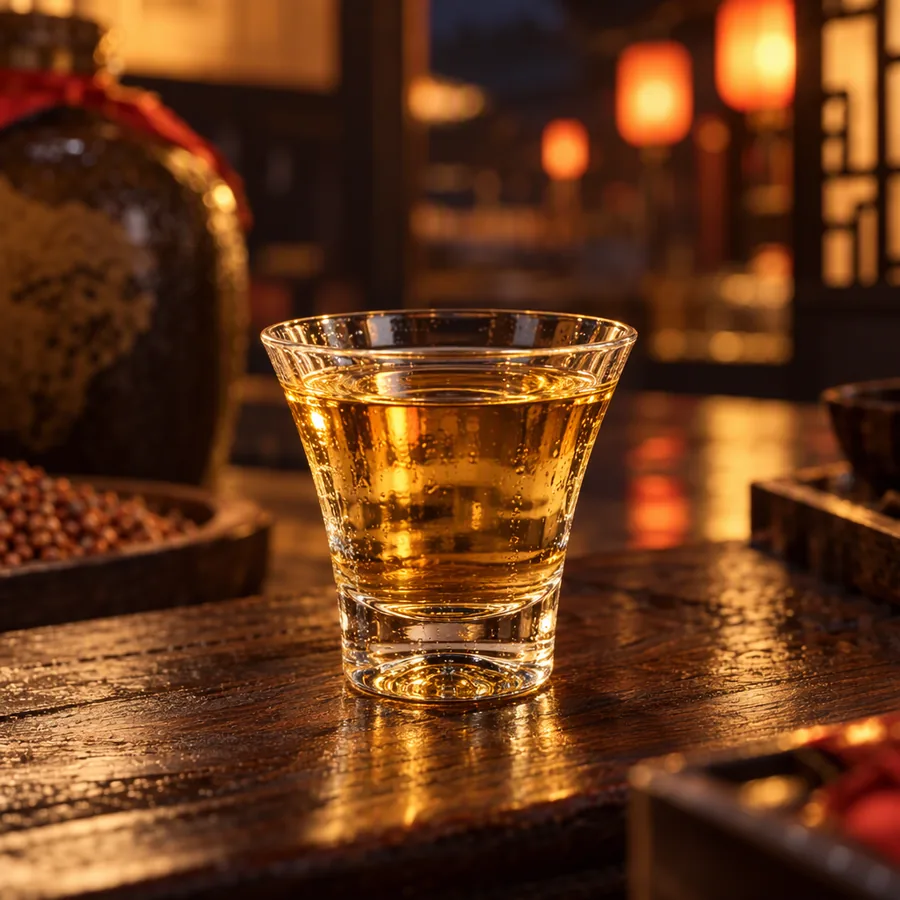
浓香 · Strong
Strong Aroma
Fruity, cellar-influenced, the most widely consumed style in China. Aged mud pits.
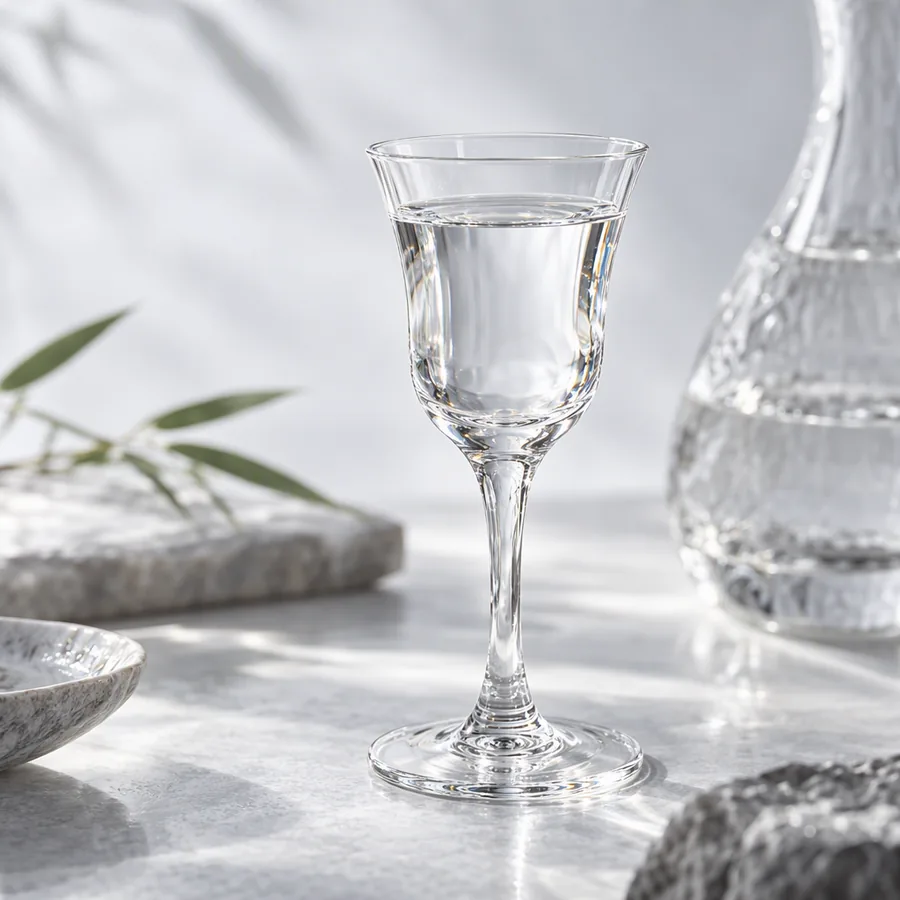
清香 · Light
Light Aroma
Clean, grain-forward, the easiest entry point. Ceramic jar fermentation.
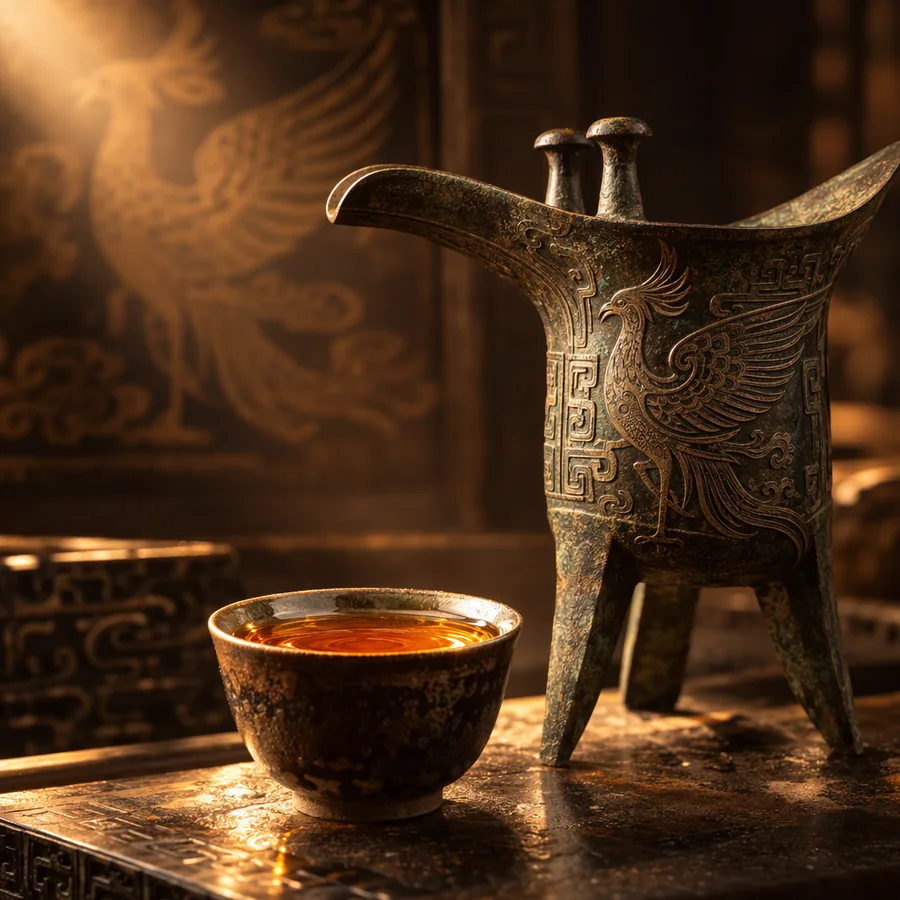
凤香 · Phoenix
Phoenix Aroma
Unique to Shaanxi. A hybrid style with a distinctive sweet-sour finish.
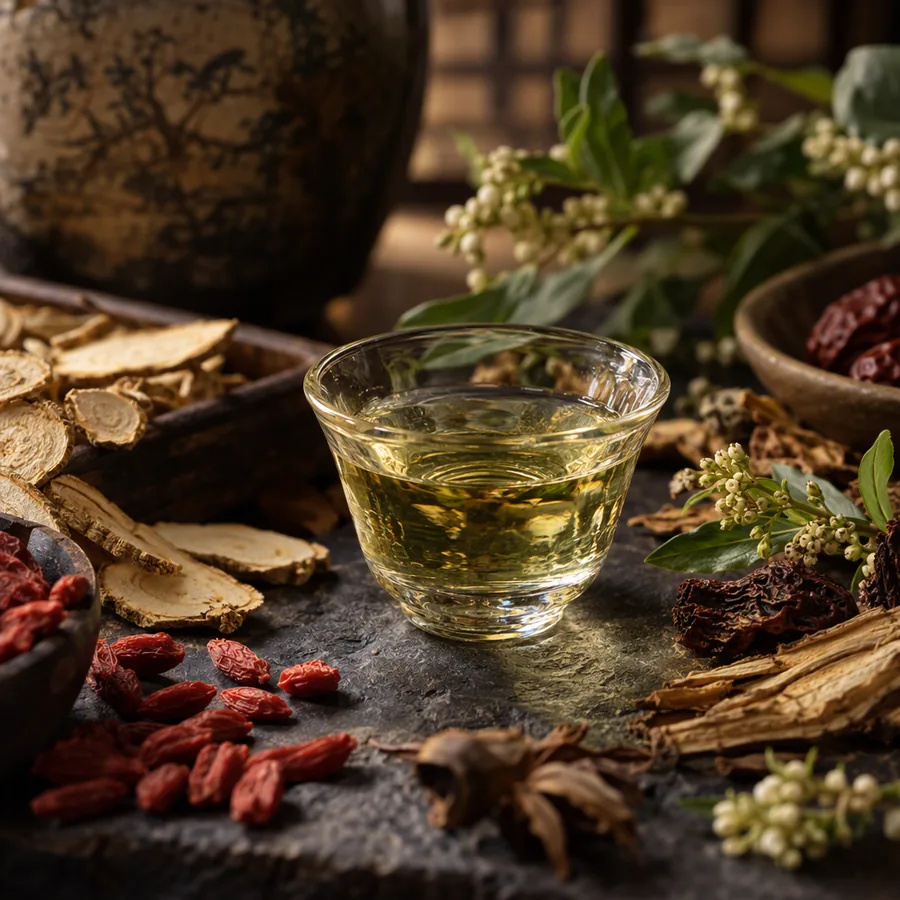
董香 · Herbal
Herbal Aroma
Medicinal herbs in production. Rare and acquired, with Dongjiu as the benchmark.
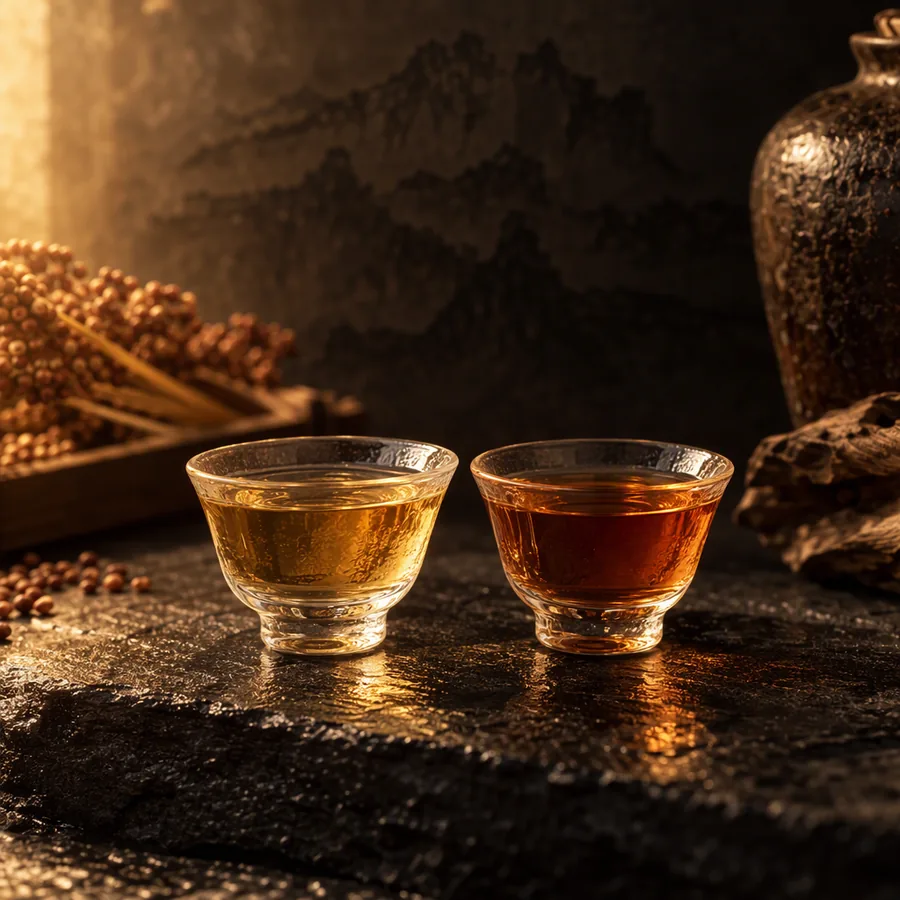
兼香 · Mixed
Mixed Aroma
Layered complexity from combined fermentation techniques, led by Jiugui.
From grain to glass
Fermentation is the whole story.
Baijiu is not distilled vodka. Grain, qu starter, pits, jars, and time create the aroma compounds before the still ever runs. This is why the same base spirit can taste like tropical fruit, roasted grain, or fermented bean paste.
- 1Qu starter
Grain is seeded with a solid fermentation starter that supplies the microbes shaping aroma.
- 2Pit or jar fermentation
Mud pits, stone cellars, or ceramic jars decide which microbes thrive and which aromas dominate.
- 3Solid-state distillation
Steamed grain is distilled in solid form, concentrating flavor rather than stripping it away.
- 4Aging and blending
Clay jars and years of rest soften heat and round the finish before bottling.
Guides by question
Practical answers, not a brand brochure.
Use these when you have a practical problem: choosing, serving, buying, tasting, or verifying a bottle.
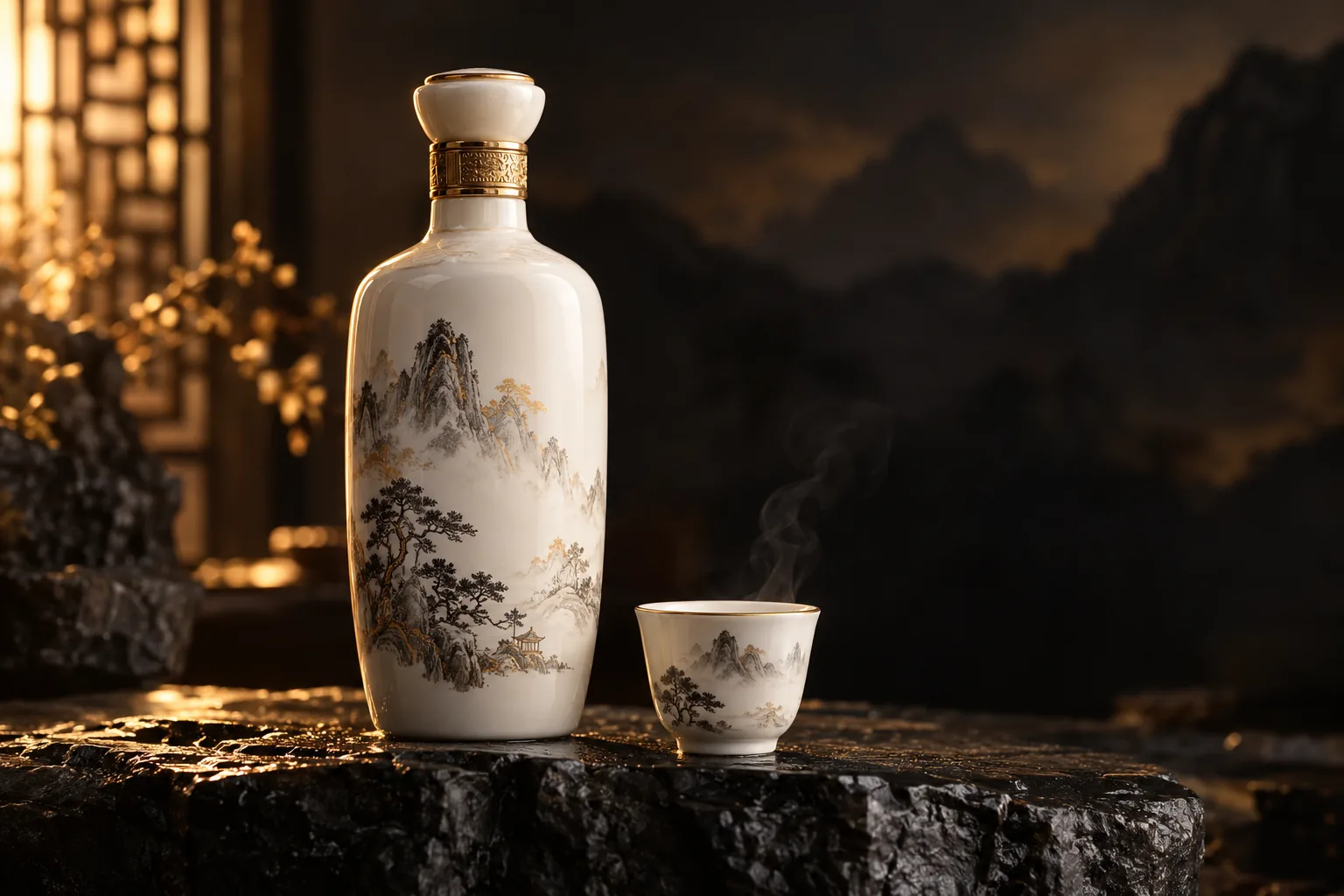
Start here
Baijiu Basics
What baijiu is, why it is not vodka, how aroma types work, and why one bad banquet glass should not define the category.
Read guide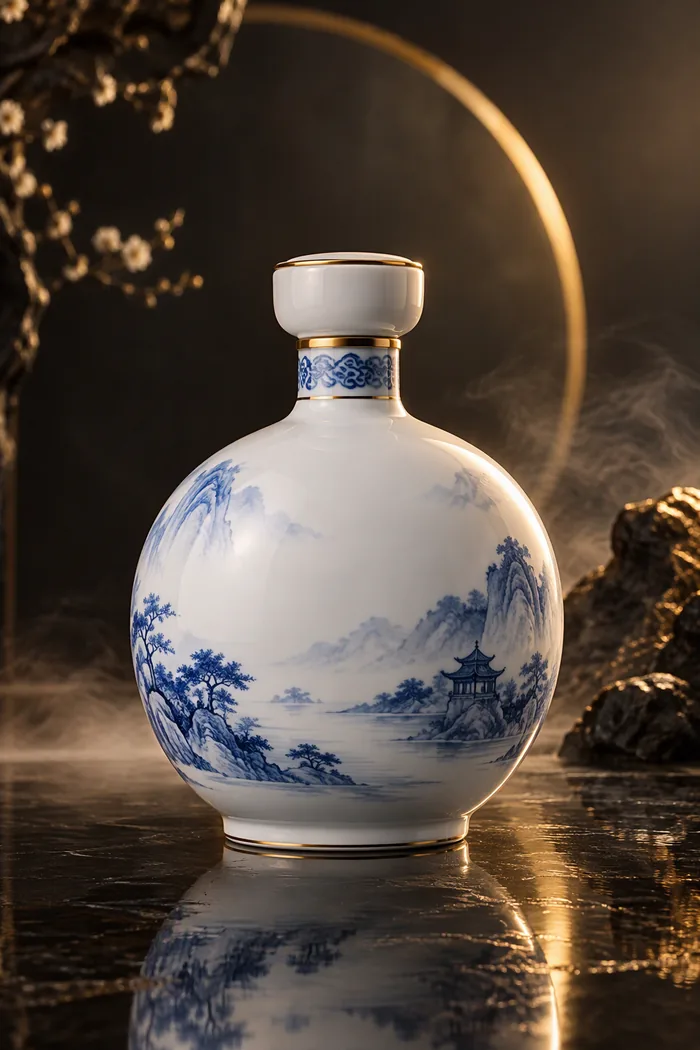
First bottle
Choose Your First Bottle
Pick a bottle by occasion, aroma type, alcohol strength, and budget instead of prestige alone.
Read guide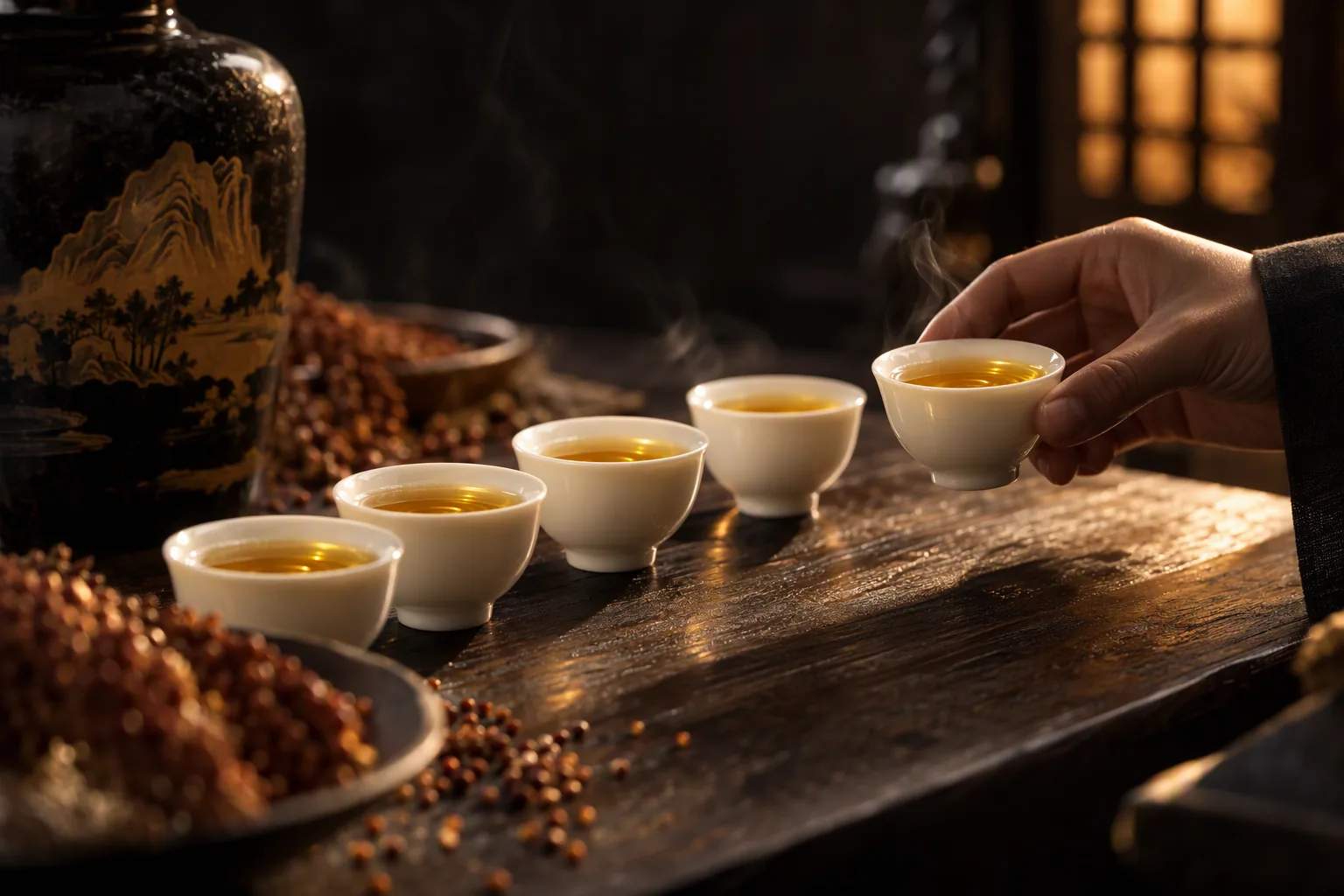
Serving
How To Drink It
Small pours, food pairing, pacing, glassware, banquet etiquette, and ways to avoid turning baijiu into a dare.
Read guide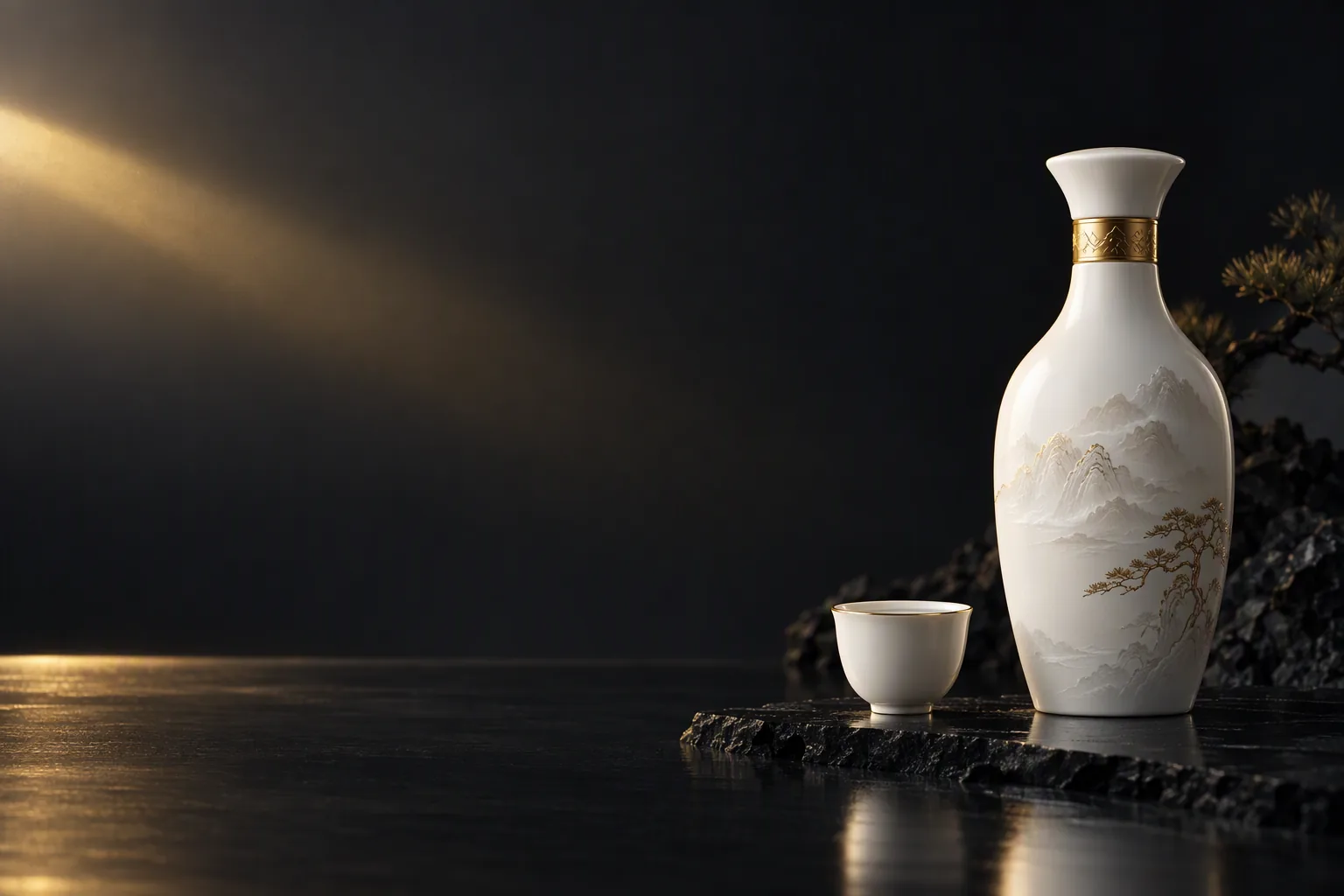
Buying
Buying Outside China
What to check before buying abroad: importer labels, price signals, gift boxes, and marketplace listings.
Read guide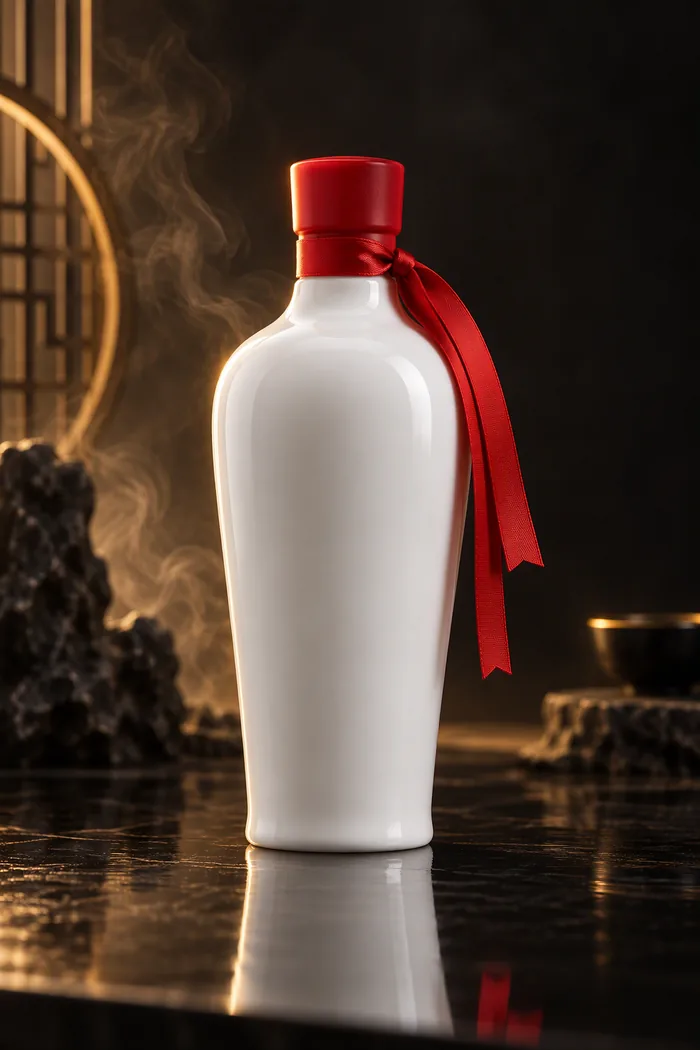
Risk
Spot Fake Maotai
A risk-first guide to counterfeits, refilled bottles, development products, vintage claims, and price signals.
Read guideTasting
Name The Flavor
A tasting vocabulary for grain, fruit, floral, savory, fermented notes, heat, texture, and finish.
Read guideBaijiu parameter database
Compare baijiu by hard data, not marketing.
16 varieties across 6 aroma types and 8 producing regions. Every entry includes verified GB/T standard codes, ABV ranges, raw ingredient lists, tasting notes, and price-tiered buying guidance.

酒是陈的香 — the liquor improves with age, and the region writes the recipe before the cellar does.Baijiu365 field guide
Decision tools
Use the site by decision.
Four small tools for the four questions that come up before a first pour or an overseas order.
Independent guide
Style first. Bottle second. Risk always.
Baijiu365 treats baijiu as a regional spirit category, not a prestige leaderboard. No paid placements, practical limits stated.